

Chaos Turbo has long been one of the most popular decks in Goat Format, defining what it means to play a tempo-oriented strategy built around Chaos monsters. But innovation has always been a defining trait of the retro community — and that constant experimentation has led to new interpretations of established strategies. One of the most interesting results is Chaos Relinquished.
This variant reimagines the Chaos shell by integrating a Ritual engine, creating a unique hybrid strategy that blends speed, control, and combo potential. Instead of relying on Flip Monsters and slow advantage generation, Chaos Relinquished uses Ritual searchers to rapidly build hand advantage and set up devastating plays — all while maintaining access to the same powerful boss monsters that define the Chaos archetype.
In this guide, we'll break down the optimal deck list, explore key card choices, analyze matchups against every major deck in the format, and provide a full side deck plan to help you master Chaos Relinquished. Whether you're a Goat Format veteran looking for something fresh or an intermediate player ready to push into more complex strategies, this guide will give you everything you need.
What Is Chaos Relinquished?
Chaos Relinquished is a hybrid control-combo deck that builds upon the traditional Chaos framework while replacing Flip Monster engines with Ritual consistency tools.
Like Chaos Turbo, the deck wins through powerful boss monsters such as Chaos Sorcerer and Black Luster Soldier – Envoy of the Beginning. However, its core engine is fundamentally different.
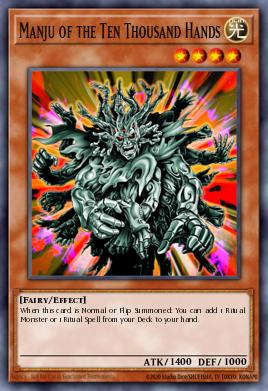
Instead of relying on Flip Monsters for advantage, Chaos Relinquished uses Ritual searchers — primarily Manju of the Ten Thousand Hands — to rapidly generate hand advantage and set up plays. Every time you resolve a searcher, you are effectively increasing your hand size without committing resources immediately to the field.
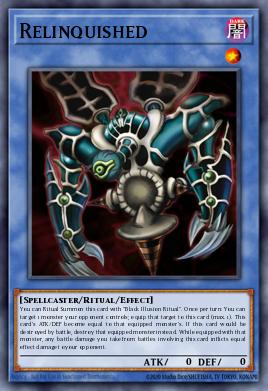
The centerpiece of this strategy is Relinquished, a Level 1 Ritual Monster that offers incredible utility:
- It can absorb both face-up and face-down monsters
- It protects itself from battle destruction
- It converts defense into damage
This gives the deck a flexible control tool that doubles as disruption and pressure, creating a playstyle that feels distinctly different from any other Chaos variant in the format.
Strengths & Weaknesses
Strengths
Fast Hand Advantage Generation — The deck generates card advantage primarily through Manju of the Ten Thousand Hands (and optionally Senju of the Thousand Hands). Every resolved searcher increases your hand size without immediately committing resources to the field. This creates situations where you hold "extra" cards — like Ritual pieces — that may seem redundant at first, but actually become extremely valuable fuel for cards like Graceful Charity, Raigeki Break, and Phoenix Wing Wind Blast. The deck turns "excess" into advantage.
Explosive Openings — Because you can search and add cards to your hand immediately, this deck often reaches key power cards faster than traditional Chaos builds. This allows earlier access to Chaos monsters and strong tempo plays that can close games before the opponent stabilizes.
Flexible Control Tools — Relinquished acts as both removal and protection, while discard traps allow you to interact with almost any situation. This gives the deck strong adaptability across different matchups and game states.
Reduced Nobleman Vulnerability — Since you are less reliant on Flip Monsters, cards like Nobleman of Crossout lose much of their effectiveness against you, which is a significant advantage in the current meta.
Weaknesses
Resource Drop-Off in Long Games — While the deck is excellent at building early advantage, many of its tools trade long-term value for short-term gain. If the duel goes too long, you may find yourself with fewer impactful draws compared to more stable control decks like Goat Control.
Awkward Hands (Ritual Pieces) — Drawing multiple Ritual cards without proper setup can slow you down. While they can later become discard fodder for traps and spells, early turns can feel clunky if your hand is loaded with Ritual components and no way to leverage them.
Reliance on Momentum — This deck performs best when it is ahead. If you fall behind early, it can be difficult to recover compared to more grind-oriented decks. Maintaining tempo is essential to maximizing the deck's potential.
Key Cards
Manju of the Ten Thousand Hands — The deck's primary engine. When Normal Summoned, Manju searches for either a Ritual Monster or a Ritual Spell from your deck. This instantly generates a +1 in card advantage and sets up your Ritual plays. Even when the search isn't immediately useful, the extra cards become premium discard fuel for Phoenix Wing Wind Blast and Raigeki Break.
Relinquished — The deck's namesake and a uniquely versatile control tool. Relinquished absorbs an opponent's monster, using it as both an ATK source and a shield. When equipped with a monster, battle damage you would take is also dealt to your opponent. If the equipped monster is destroyed, Relinquished survives — making it surprisingly resilient. It serves as removal, protection, and damage in a single card.
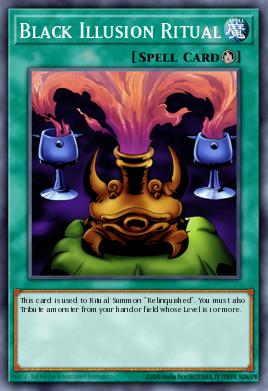
Black Illusion Ritual — The Ritual Spell needed to summon Relinquished. On its own it looks like a minus, but when searched by Manju the investment is minimal. The key is understanding that you don't always need to resolve it — in many games, the Ritual Spell serves better as discard fodder, making it a flexible resource.
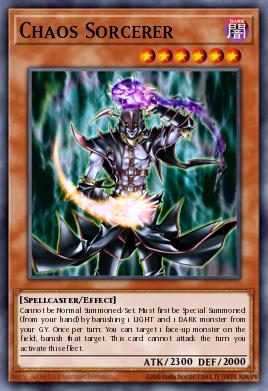
Chaos Sorcerer — Your main Chaos boss. Banishes a LIGHT and a DARK monster from your graveyard to Special Summon itself, then can banish a face-up monster on the field. The Ritual searchers (LIGHT) and various DARK monsters in the deck make fueling Chaos Sorcerer extremely consistent.
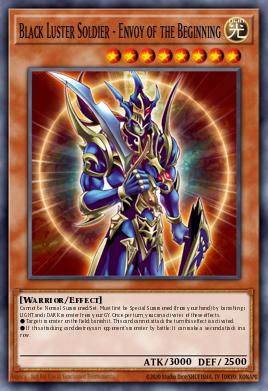
Black Luster Soldier – Envoy of the Beginning — The format's most powerful boss monster. Like Chaos Sorcerer, it requires banishing a LIGHT and a DARK from the graveyard, but its effects are even more devastating — it can either banish a monster or attack twice in the same turn. Games are often decided the turn BLS enters play.
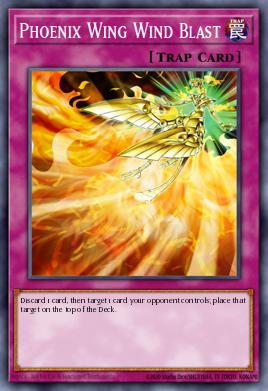
Phoenix Wing Wind Blast — Discard 1 card to return an opponent's card to the top of their deck. This is one of the deck's most important interactions: excess Ritual pieces become fuel for a powerful disruption tool that controls the opponent's next draw. Combined with Time Seal, it can create devastating tempo locks.
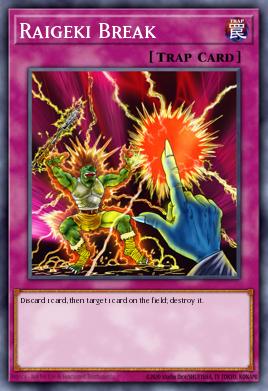
Raigeki Break — Discard 1 card to destroy any card on the field. Like Phoenix Wing Wind Blast, it turns extra Ritual cards and dead draws into meaningful interaction. The ability to hit any card — face-up or face-down, monster, spell, or trap — gives it extraordinary flexibility.
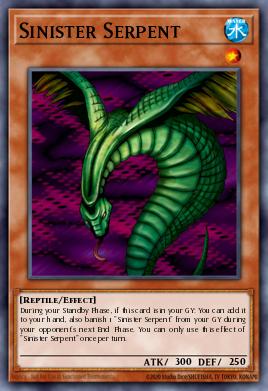
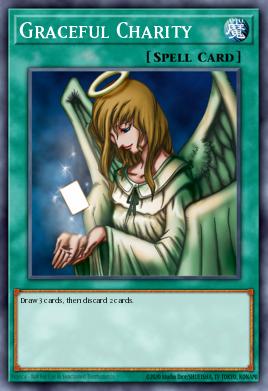
Graceful Charity — Draw 3, discard 2. In this deck, the discard cost is almost always an advantage — sending Ritual pieces, Sinister Serpent, or DARK/LIGHT targets to the graveyard to fuel Chaos summons. Graceful Charity is at its absolute best in Chaos Relinquished.
Tech Cards & Flex Spots
These options are especially important for adapting the deck to different metas and playstyles.
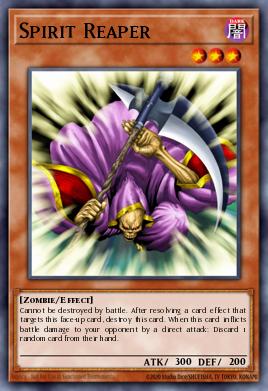
Spirit Reaper — Provides a very stable defensive presence. Since it cannot be destroyed by battle, it can stall the game and occasionally disrupt the opponent's hand. This is especially useful when you need to slow the pace of the duel and buy time for your Ritual or Chaos setup.
Time Seal — On its own, Time Seal skips your opponent's next draw, which is already a powerful tempo play. But it becomes devastating when combined with Phoenix Wing Wind Blast. By returning a card to the top of the opponent's deck and then denying them the draw entirely, you can create a powerful tempo lock that is very difficult to recover from.
Senju of the Thousand Hands — Essentially acts as additional copies of Manju. Running it increases consistency and the speed at which you assemble your combo pieces. The downside is that it also increases the chance of drawing too many Ritual-related cards, which can lead to clunky hands in the early game.
Messenger of Peace — Works surprisingly well with your low-ATK searchers. It allows Manju and Senju to stay on the field safely while still applying pressure, forcing the opponent into awkward positions where they can't attack but you keep generating advantage.
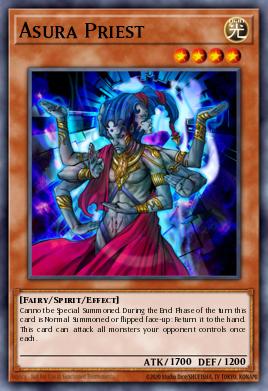
Asura Priest — A strong option for breaking Scapegoat boards. Since Goat Control and Chaos Control both rely heavily on tokens, Asura Priest can clear an entire board of tokens in a single Battle Phase and return to your hand at the end of the turn, ready to be used again.
Variants of the Deck
Standard Chaos Relinquished
The version outlined in this guide. Focuses on the core Manju engine with a balanced trap lineup, running Phoenix Wing Wind Blast and Raigeki Break as the primary discard outlets. This is the most consistent and widely tested version.
Double Senju Build
Adds Senju of the Thousand Hands to maximize the Ritual engine. This version is more aggressive and more explosive, but also more vulnerable to bricking with excess Ritual pieces. Best suited for formats where you expect to face slower, more passive decks.
Messenger of Peace Lock
Incorporates Messenger of Peace alongside the low-ATK searcher suite. This variant trades raw aggression for a stall-oriented strategy, using Messenger to protect your field while accumulating resources. It can be very effective against Warrior and other beatdown strategies.
Time Seal Tempo
Leans into the Time Seal + Phoenix Wing Wind Blast interaction as a primary game plan. This version aims to lock the opponent out of their draw step repeatedly while building towards a Chaos finish. High-skill and timing-dependent, but extremely rewarding when piloted correctly.
Matchup Guide
vs Warrior
This is one of the most difficult matchups. Warrior decks apply constant pressure, which limits your ability to safely use your searchers. Since your monsters are often left in Attack Position after searching, you are more vulnerable to taking damage quickly.
Key Strategy:
- Use discard traps aggressively to control tempo — Phoenix Wing Wind Blast on their key monsters buys critical time
- Convert "dead" Ritual cards into value through Raigeki Break and Phoenix Wing Wind Blast
- Focus on survival early, then stabilize with Relinquished absorbing their biggest threat
- Relinquished is at its best here — absorbing a D.D. Assailant or Blade Knight can swing the game entirely
vs Burn
Another difficult matchup. Burn decks can take advantage of your monsters staying on the field, especially with cards like Ojama Trio, turning your own field into a liability.
Key Strategy:
- Avoid unnecessary summons — every monster on the field is a potential target for burn damage
- Keep your field minimal and focus on resolving key spells
- Use removal and disruption carefully — save Mystical Space Typhoon for their floodgates
- Relinquished is less effective here since Burn runs very few monsters worth absorbing
vs Chaos Turbo
A favorable matchup. Since you are less reliant on Flip Monsters, cards like Nobleman of Crossout lose much of their effectiveness against you. Meanwhile, your discard traps and Ritual searchers give you a tempo edge.
Key Strategy:
- Maintain tempo advantage — your searchers generate advantage faster than their Flip Monsters
- Pressure early with Manju of the Ten Thousand Hands into Chaos monsters
- Disrupt their graveyard setup with timely Chaos Sorcerer banishes
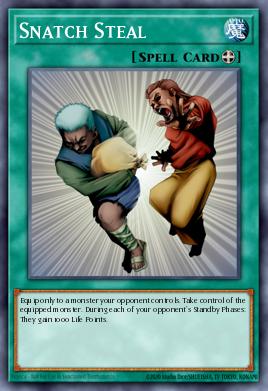
- Save Black Luster Soldier for a decisive push rather than exposing it to Snatch Steal
vs Goat Control
Very similar to the Chaos Turbo matchup, but slightly more control-oriented. Goat Control relies more on slow advantage generation and defensive play, which gives you a window to apply pressure.
Key Strategy:
- Be proactive and apply pressure — don't let them settle into their grind game
- Use Asura Priest to break Scapegoat boards efficiently
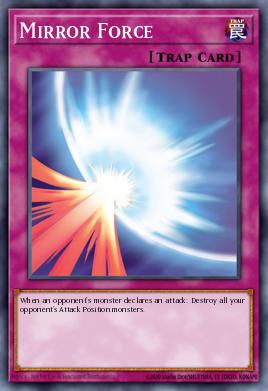
- Avoid overcommitting into defensive traps like Mirror Force and Torrential Tribute
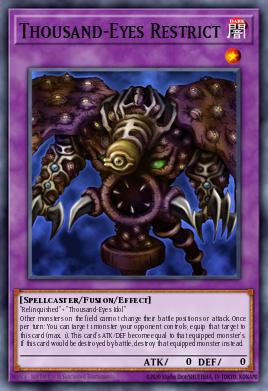
- Relinquished is excellent here — absorbing a Thousand-Eyes Restrict or a key flip monster can be backbreaking
Side Deck Plans
| Matchup | Side Out | Side In |
|---|---|---|
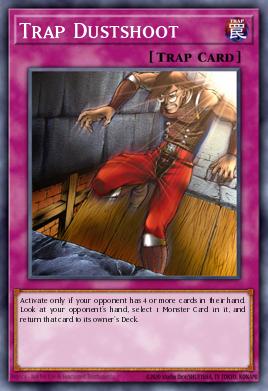
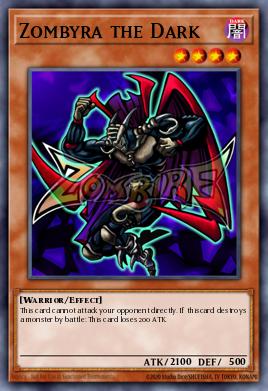
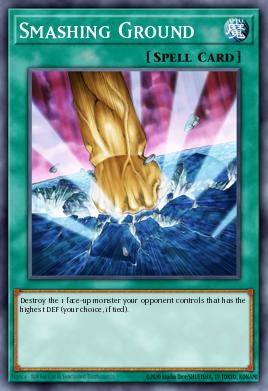
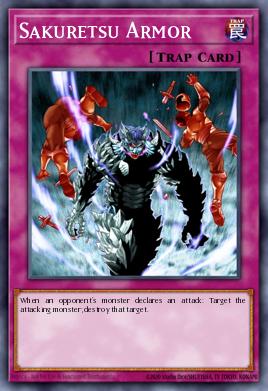
| Warrior | −2 Nobleman of Crossout · −2 Trap Dustshoot · −1 Manju · −1 Relinquished | +2 Zombyra the Dark · +3 Sakuretsu Armor · +1 Smashing Ground |
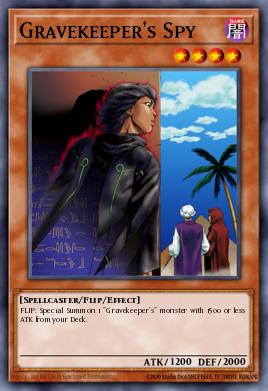
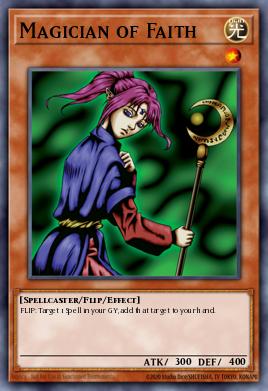
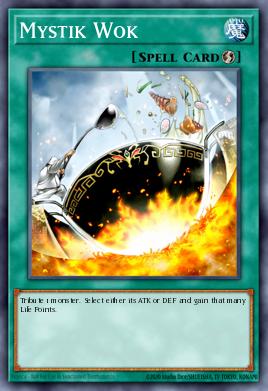
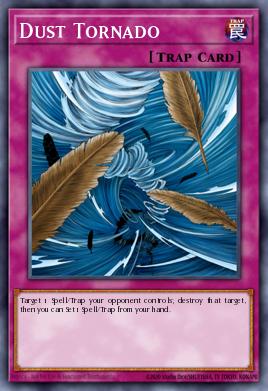
| Burn | −1 Snatch Steal · −2 Gravekeeper's Spy · −2 Trap Dustshoot | +1 Mystik Wok · +1 Mobius the Frost Monarch · +1 Dust Tornado · +1 Magician of Faith · +1 flex slot |
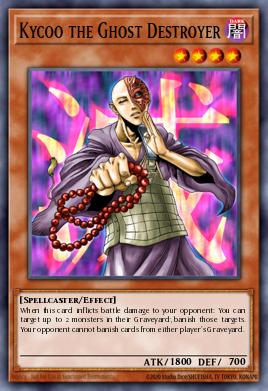
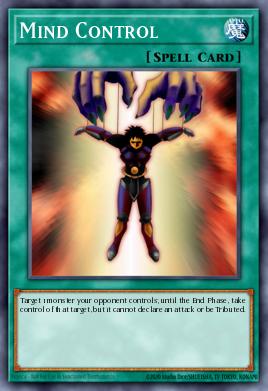
| Chaos Turbo & Goat Control | −2 Trap Dustshoot · −1 Mystical Space Typhoon | +1 Kycoo the Ghost Destroyer · +1 Mind Control · +1 Asura Priest |
Warrior Side Strategy: You are shifting from a setup-based strategy into a more defensive, battle-focused approach. Cards like Sakuretsu Armor and Smashing Ground help you survive their aggression and stabilize the field. Cutting a Manju and a Relinquished is acceptable here because you need active answers, not more setup pieces.
Burn Side Strategy: Your goal is to reduce your own field presence while increasing spell/trap removal. You want to avoid giving them targets for cards like Ojama Trio. Mobius the Frost Monarch is particularly devastating against Burn's heavy backrow.
Chaos Turbo & Goat Control Side Strategy: These matchups are about tempo and board control. Kycoo the Ghost Destroyer disrupts graveyard plays and prevents opposing Chaos summons. Mind Control creates swing turns by stealing flip monsters or boss monsters. Asura Priest clears token-based boards with ease.
Common Mistakes
1. Mismanaging Ritual Resources
The most common mistake new pilots make is treating every Ritual card as something that must be used for summoning. In reality, Ritual pieces are often more valuable as discard fuel for Phoenix Wing Wind Blast and Raigeki Break. Understanding when to hold Ritual cards for a Relinquished summon versus when to discard them for tempo is the most important skill for mastering this deck.
2. Overextending Early
Using too many resources too quickly without securing advantage is a trap that aggressive decks fall into easily. Just because you can summon Manju, search a piece, and Ritual Summon Relinquished in the same turn doesn't mean you should. Ask yourself: is the board state already won, or are you committing too much into a potential Torrential Tribute or Mirror Force?
3. Playing Too Passively
On the flip side, this deck rewards proactive play. Waiting too long to make plays often leads to losing momentum — and once you lose momentum with Chaos Relinquished, recovery is difficult. The deck is designed to push tempo, so trust its engine and apply pressure when the opportunity is there.
4. Ignoring the Graveyard Setup
Don't forget that every play you make should be moving you towards a Chaos summon. Normal Summoning Manju (LIGHT) and having it destroyed puts a LIGHT in the graveyard. Running your DARK monsters into battle accomplishes the same for the DARK attribute. Always be aware of your graveyard composition and plan your Chaos access accordingly.
5. Burning Discard Traps Without Targets
Activating Phoenix Wing Wind Blast or Raigeki Break when you don't have a good discard target can put you behind. These traps are at their best when you discard Ritual pieces, Sinister Serpent, or other expendable cards. If you don't have those available, it may be correct to wait.
FAQ
Is Ritual Summoning required to win? No. In many games, Relinquished functions more as a utility tool than a win condition. The Chaos monsters — Chaos Sorcerer and Black Luster Soldier — are your primary win conditions. Relinquished provides flexibility and disruption, but plenty of games are won without ever Ritual Summoning.
Why not play more Flip Monsters? To reduce vulnerability to Nobleman of Crossout and maintain consistency. The Ritual engine generates advantage immediately on summon rather than requiring you to pass the turn and hope your set monster survives. This makes the deck faster and less susceptible to common disruption.
Is this deck beginner-friendly? It is more suited for intermediate to advanced players. The resource management decisions — when to summon Relinquished, when to discard Ritual pieces, when to push for a Chaos monster — require a deeper understanding of the format. However, beginners can learn it with practice, especially if they are already familiar with Chaos Turbo fundamentals.
What is the biggest mistake new players make? Holding Ritual cards without using them as resources. New players tend to hold onto Black Illusion Ritual and Relinquished hoping for the "perfect" Ritual Summon, when they are often more valuable as discard fuel for traps and spells that immediately impact the board.
How does this compare to Chaos Turbo? Chaos Relinquished is faster at generating hand advantage but less stable in very long games. It trades the consistency of Flip Monster engines for explosive openings and more flexible control options. If you prefer proactive, tempo-oriented play with a combo element, Chaos Relinquished may suit you better than standard Chaos Turbo.
Download Deck List
Ready to play? Copy the deck list below and paste the YDKE code into your deck builder to start playing Chaos Relinquished right away.
🃏 Chaos Relinquished — Deck List
Main Deck (40)

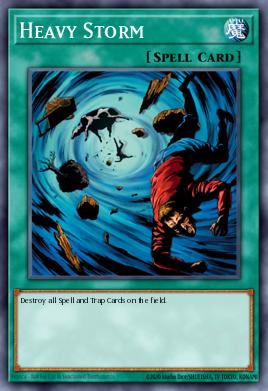
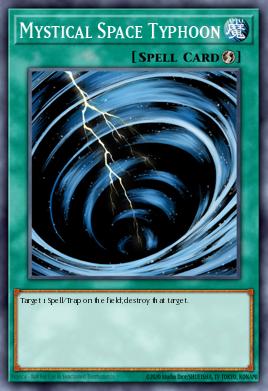
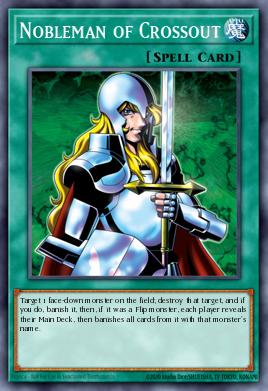
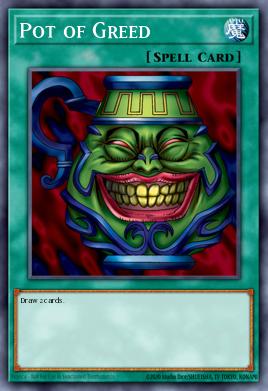
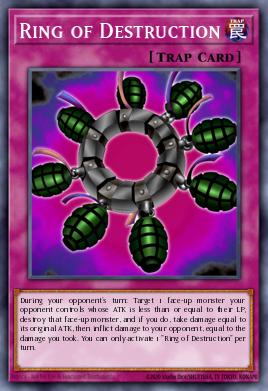

Extra Deck (15)


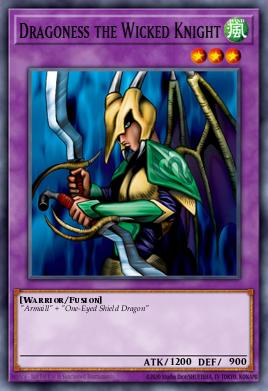
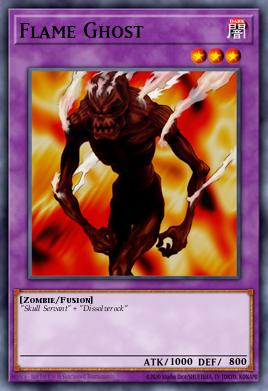
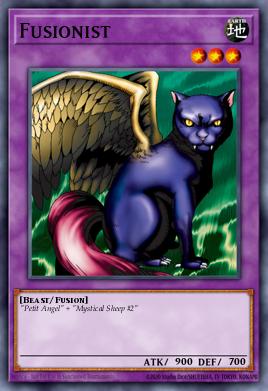
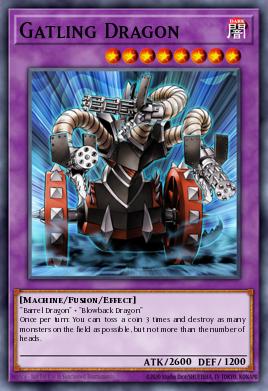

Side Deck (15)

Keep Reading
Continue your journey into Goat Format:
- Chaos Turbo Complete Deck Guide — The tempo-oriented Chaos variant explained in full
- Goat Control Complete Deck Guide — The most iconic deck in Goat Format
- Warrior Complete Deck Guide — The aggressive counter-strategy to Chaos decks
- Goat Format Tier List 2026 — Where every deck ranks and why
- Goat Format Staples: Every Must-Have Card Explained — Deep-dive into every core card
- 5 Best Budget Goat Format Decks Under $30 — Build competitive decks on a budget
- Goat Format Banlist Explained — The restrictions that shape the format
- Where to Play Goat Format Online in 2026 — Every platform compared
- Global Rankings — See who's at the top of the Goat World leaderboard
Ready? Join the Goat World Discord — free, 24/7, and your first ranked match is one command away.


